Optimal Timing for Subfloor Replacements
Subfloor replacements are essential when existing flooring shows signs of damage, such as warping, sagging, or persistent moisture issues. Timing these replacements correctly can minimize disruption and ensure structural integrity. The optimal time often depends on environmental conditions, project scope, and property usage patterns.
Late spring and early fall are ideal for subfloor replacement due to moderate humidity and temperature levels, which facilitate proper installation and drying.
Avoid replacing subfloors during extreme weather conditions like heavy rain or cold snaps to prevent moisture issues and delays.
Schedule replacements during periods of low occupancy to reduce inconvenience and allow for efficient work completion.
Regular inspections can identify subfloor issues early, enabling timely replacements before significant damage occurs.
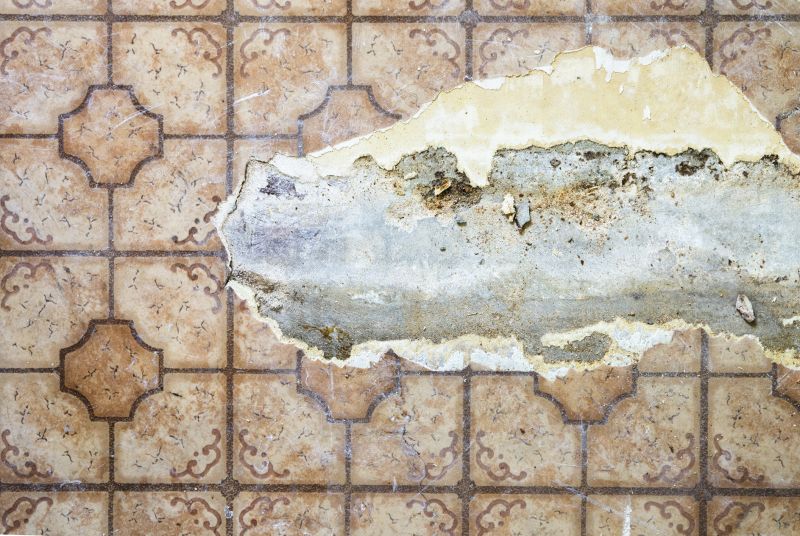
Visible warping and moisture damage indicate the need for replacement.
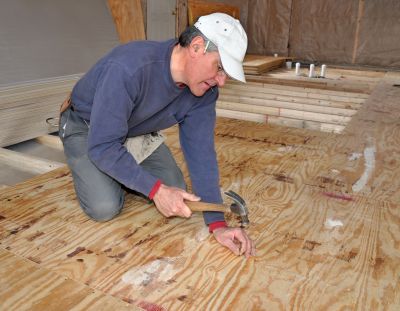
Proper timing ensures optimal adhesion and drying during installation.
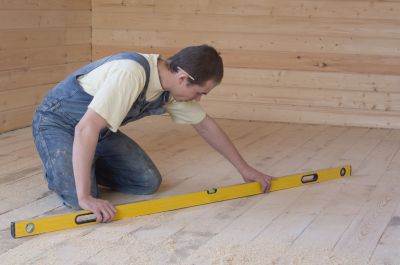
Ideal weather conditions support quality work and longevity of the new subfloor.
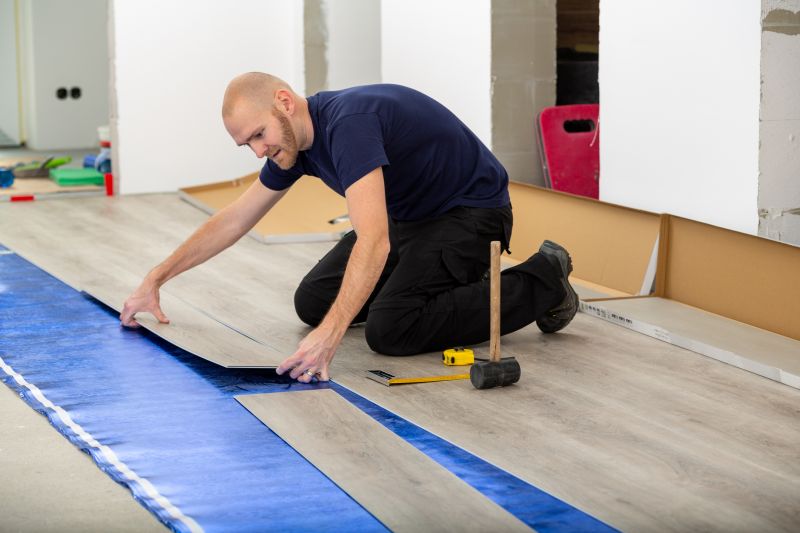
Ways to make Subfloor Replacements work in tight or awkward layouts.
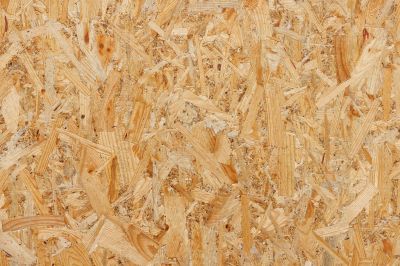
Popular materials for Subfloor Replacements and why they hold up over time.

Simple add-ons that improve Subfloor Replacements without blowing the budget.
Subfloor replacements are a critical component of maintaining a safe and durable flooring system. The process involves removing the existing damaged subfloor, assessing underlying issues such as moisture or structural problems, and installing a new, stable base. Proper timing ensures that the replacement aligns with environmental conditions and project schedules, reducing the risk of future damage and costly repairs.
| Factor | Optimal Timing |
|---|---|
| Humidity Levels | Moderate humidity during spring and fall |
| Temperature | Temperatures above freezing for proper curing |
| Property Usage | Periods of low occupancy |
| Weather Conditions | Dry, mild weather |
| Inspection Frequency | Regular checks to identify issues early |
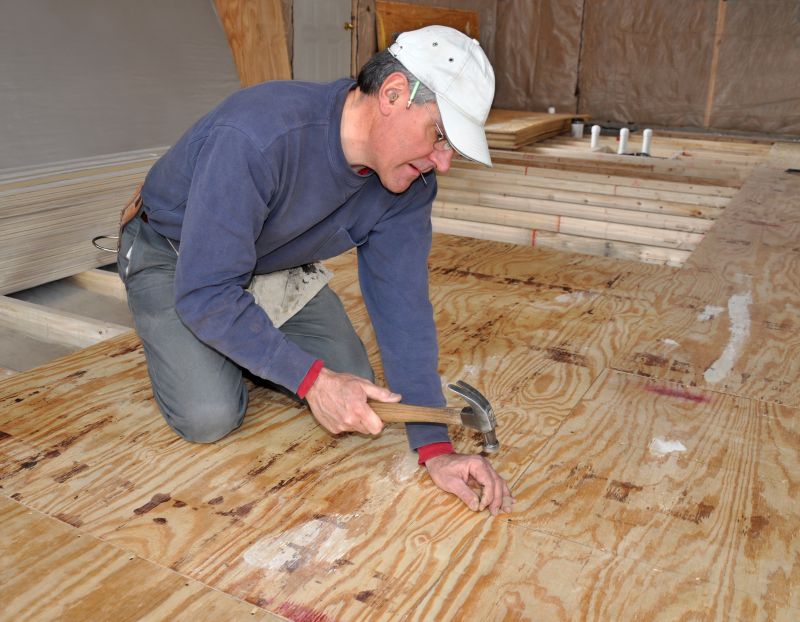
Damaged subfloor with warping and moisture issues.

Subfloor being replaced during optimal seasonal conditions.
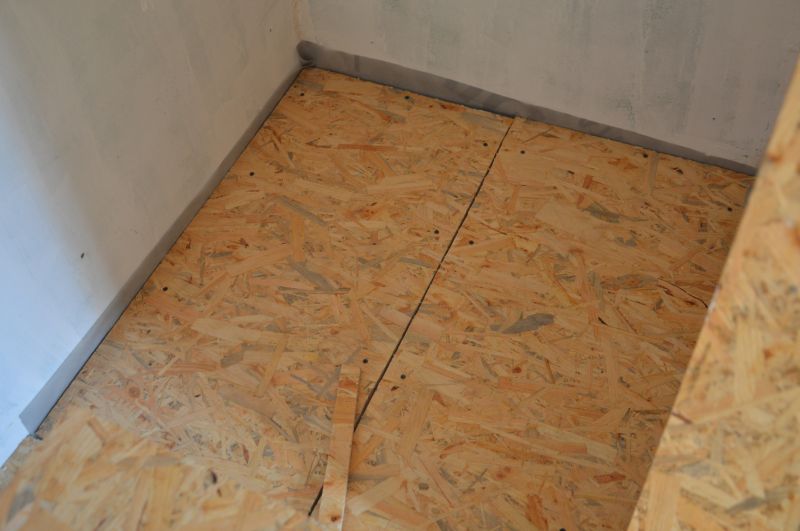
New, stable subfloor ready for flooring installation.
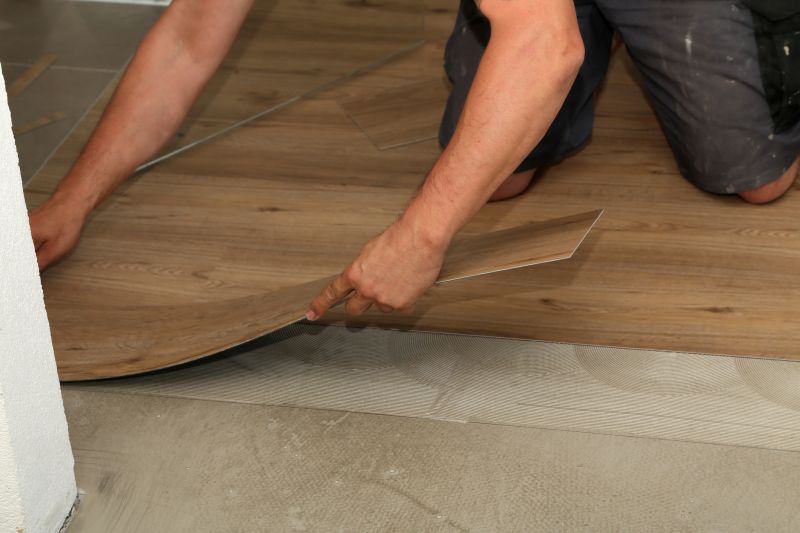
Preparing the environment for optimal installation timing.
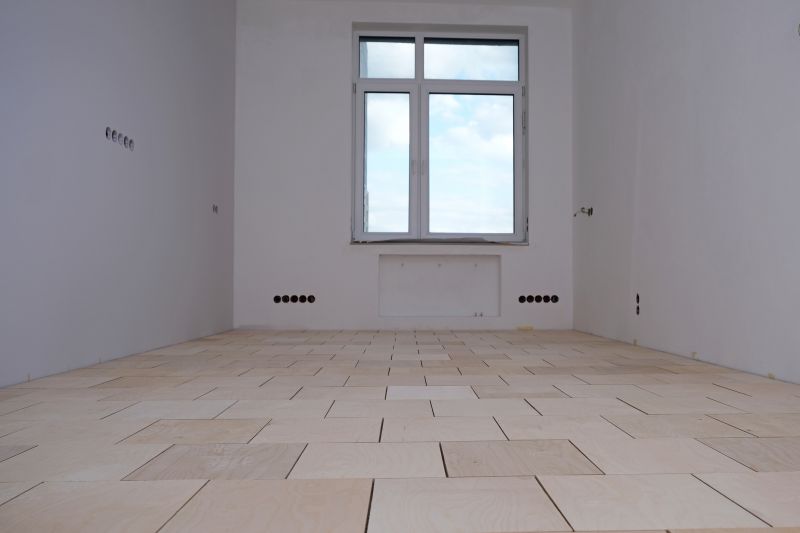
High-end options that actually feel worth it for Subfloor Replacements.
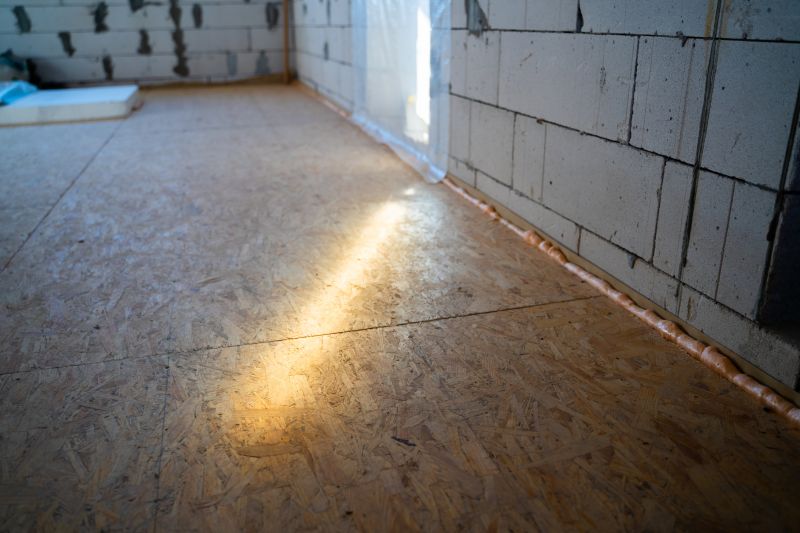
Finishes and colors that play nicely with Subfloor Replacements.
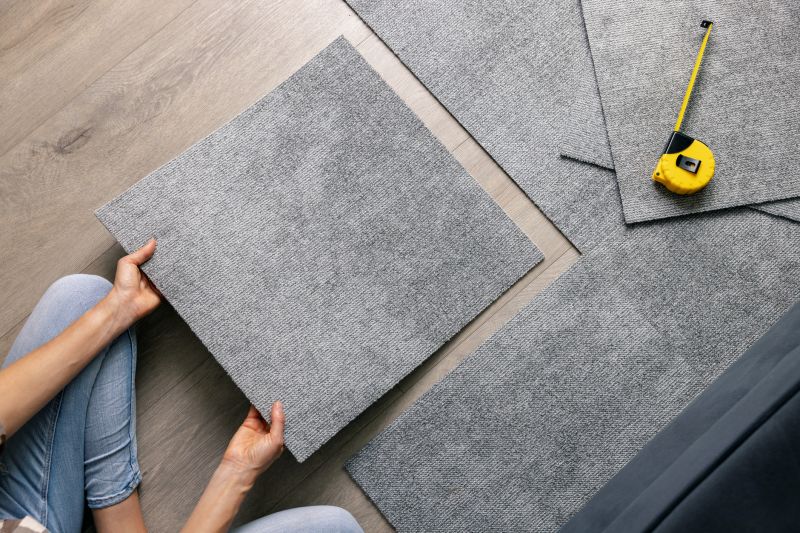
Little measurements that prevent headaches on Subfloor Replacements day.
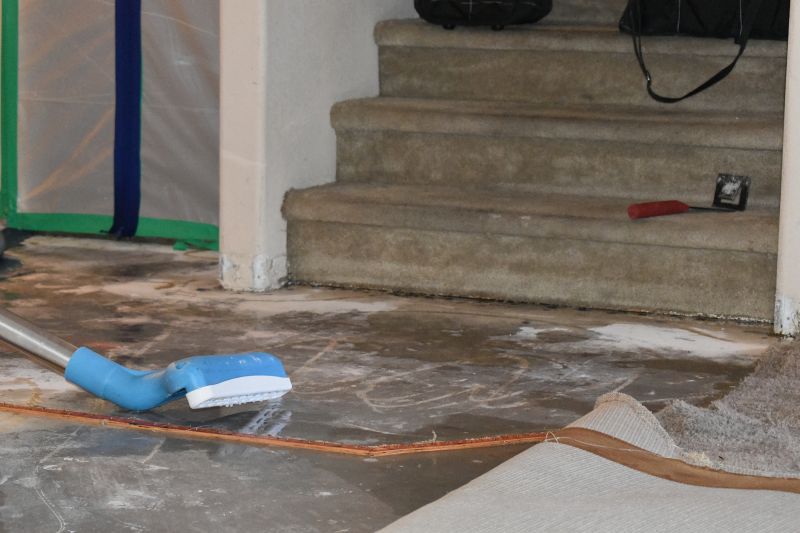
A 60-second routine that keeps Subfloor Replacements looking new.
Understanding the best timing for subfloor replacements can lead to more durable results and fewer disruptions. Proper planning, environmental assessment, and scheduling during favorable weather conditions contribute to the longevity of the new subfloor. Regular inspections and early intervention help prevent extensive damage and costly repairs.
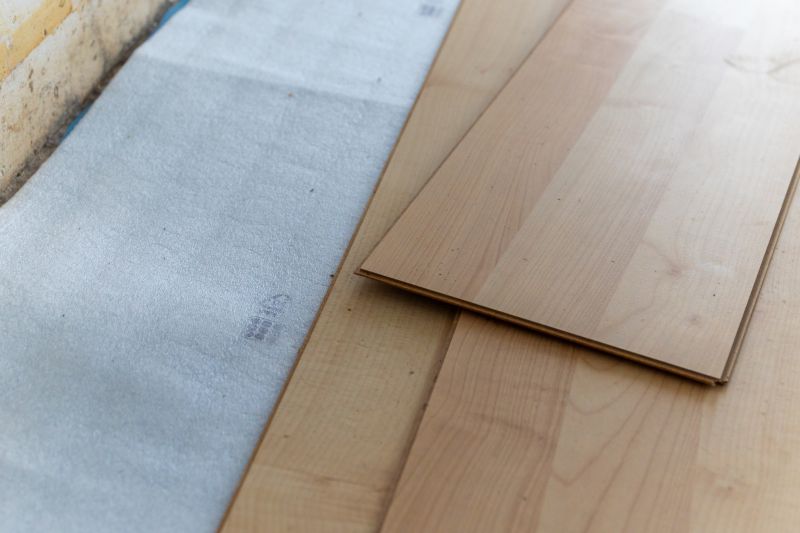
Early detection of subfloor issues supports timely replacement.
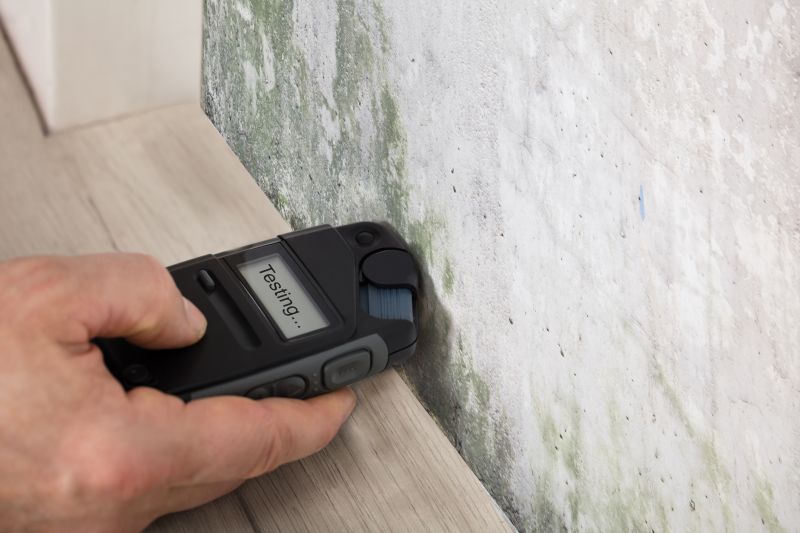
Assessing moisture levels to determine optimal replacement timing.
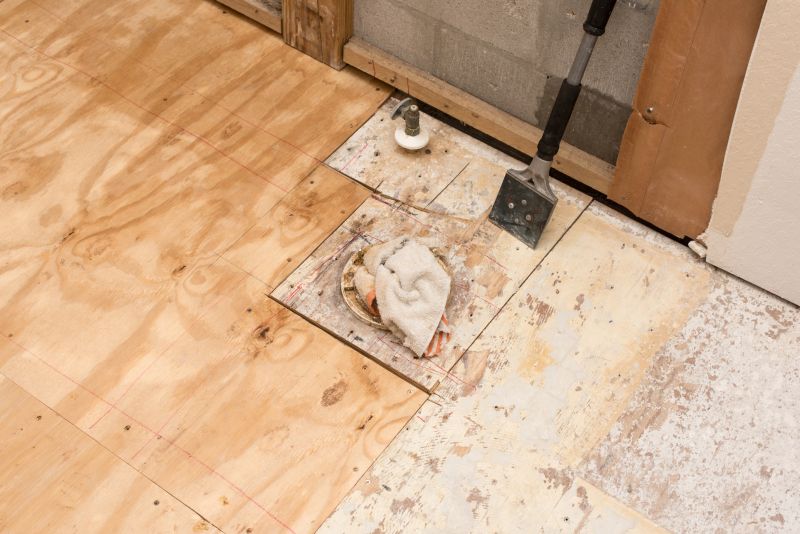
Prepared site for efficient subfloor replacement work.
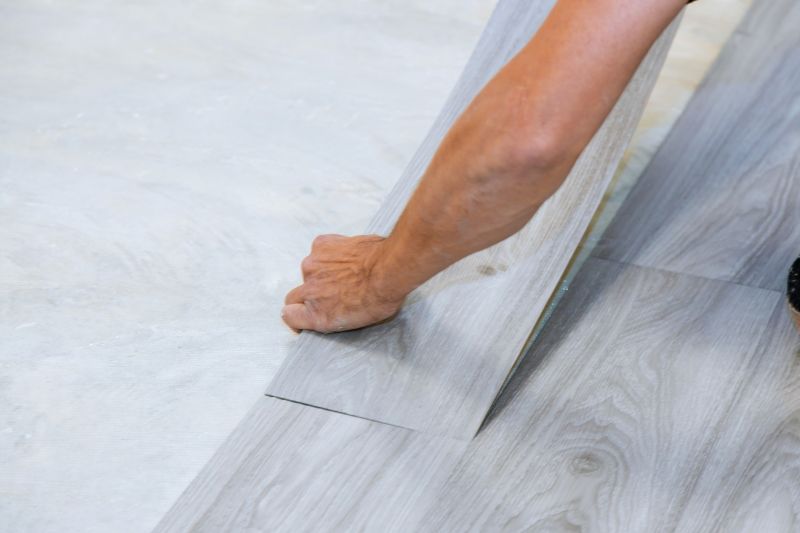
A frequent mistake in Subfloor Replacements and how to dodge it.
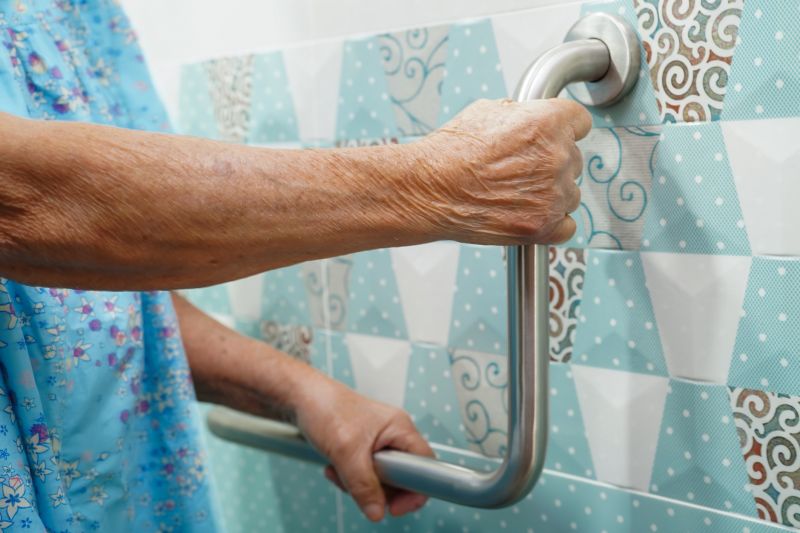
Small tweaks to make Subfloor Replacements safer and easier to use.
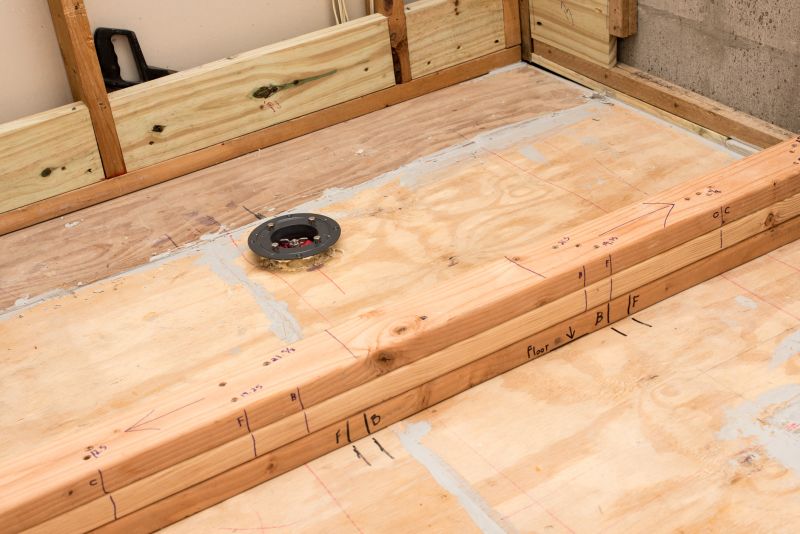
Lower-waste or water-saving choices for Subfloor Replacements.

The short, realistic tool list for quality Subfloor Replacements.
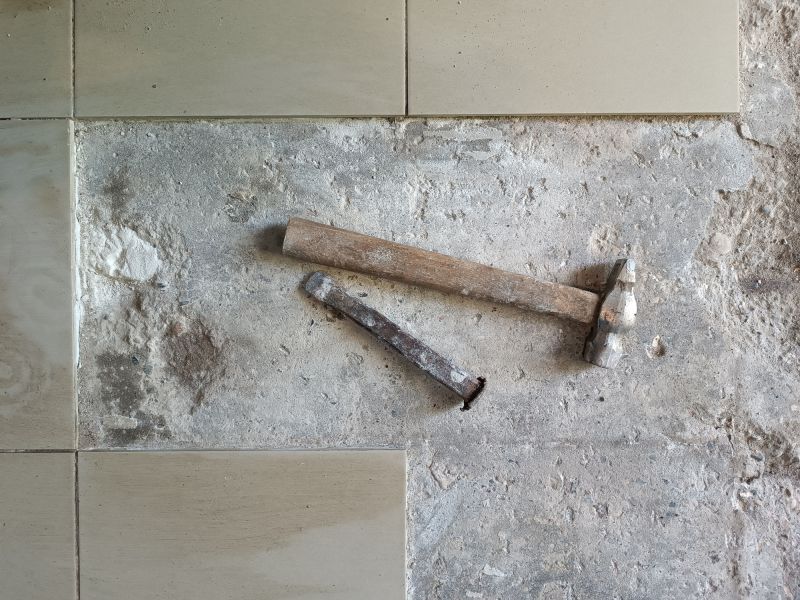
Rough timing from prep to clean-up for Subfloor Replacements.
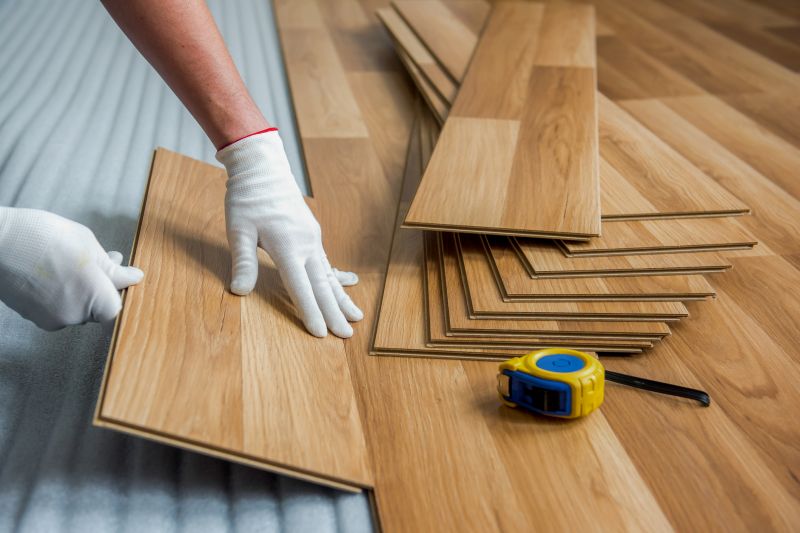
Quick checks and paperwork to keep after Subfloor Replacements.
Interested in scheduling a subfloor replacement? Filling out the contact form provides an opportunity to discuss project specifics and determine the most suitable timing for optimal results.