
Popular Subfloor Replacement Solutions for Seamless Floor Support
Discover essential products designed to provide a solid foundation, improving floor stability and extending the lifespan of your flooring.
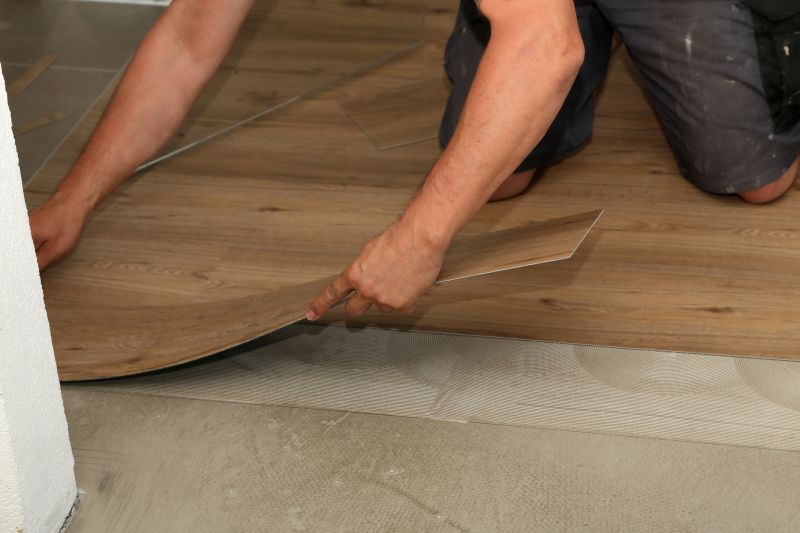 Replacing a subfloor is a critical step in restoring the structural integrity and safety of a flooring system. Subfloors serve as the foundational layer beneath finished flooring materials such as hardwood, tile, or carpet, providing support and stability. When damage occurs due to water intrusion, mold, rot, or structural shifts, it becomes necessary to remove and replace the compromised sections to ensure a durable and long-lasting floor. The process often involves assessing the extent of damage, removing the affected material, and installing new subfloor panels or materials that match the existing structure.
Top Overall Option
Plywood Subfloor Panels
Plywood subfloor panels are widely used due to their strength, stability, and versatility. They are available in various thicknesses and grades to suit different load requirements and environmental conditions. Plywood offers excellent dimensional stability and can be easily cut and installed, making it a popular choice for both DIY projects and professional renovations. When properly sealed and fastened, plywood provides a reliable foundation for a variety of finished flooring types, supporting long-term durability and performance.
Types of Products For Subfloor Replacements
Plywood Sheets
Standard plywood sheets are a common choice for subfloor replacement due to their strength and ease of installation.
Oriented Strand Board (OSB)
OSB panels are an affordable and durable alternative to plywood, suitable for various subfloor applications.
Tongue and Groove Panels
Designed for seamless installation, tongue and groove panels help create a flat, stable subfloor surface.
Marine-Grade Plywood
Ideal for areas prone to moisture, marine-grade plywood offers enhanced moisture resistance for subflooring.
Engineered Wood Panels
Engineered wood options provide high stability and are often used in specialized flooring projects.
Concrete Backer Boards
Used mainly in tile installations, concrete backer boards provide a solid, moisture-resistant base.
Rigid Foam Insulation Boards
These are used as underlayment to improve insulation and moisture control beneath the subfloor.
Vapor Barriers
Vapor barriers help prevent moisture infiltration, protecting the subfloor from water damage.
Subfloor Adhesives
Specialized adhesives ensure secure bonding of subfloor panels and enhance overall stability.
Moisture Barriers
Moisture barriers are essential in areas with high humidity or potential water exposure.
Underlayment Materials
Underlayments provide a smooth surface and additional support for finished flooring.
Self-Leveling Underlayment
Used to create a flat, even surface before installing finished flooring materials.
Fasteners and Nails
Proper fasteners are crucial for securing subfloor panels firmly to the joists.
Screws for Subfloor
Specialized screws provide a stronger hold and reduce the risk of squeaking or movement.
Popular Choices
A versatile and commonly used material for subfloor replacement projects.
Affordable and durable, suitable for many residential subfloor applications.
Facilitates seamless installation and a smooth subfloor surface.
Preferred in moisture-prone areas for its resistance to water damage.
Provides high stability and is often used in specialized flooring setups.
Commonly added to protect against moisture infiltration.
Helps create a smooth and supportive base for finished flooring.
Ideal for creating an even surface before installing final flooring.
Used to enhance bonding and stability of subfloor panels.
Essential for securely fastening panels to joists and framing.
Provide a secure fit and reduce squeaking over time.
Choosing the right materials for subfloor replacement depends on several factors including the type of existing flooring, the load requirements, and environmental conditions. Common options include plywood, oriented strand board (OSB), and other engineered wood panels. Each material offers different benefits in terms of strength, ease of installation, and cost. Proper installation techniques, such as ensuring adequate fastening, proper sealing, and moisture barriers, are essential for a successful replacement that maintains the floor’s stability over time.
In addition to the core materials, various accessories and supportive products can enhance the durability and performance of a subfloor replacement. These include underlayment options to provide a smooth surface and moisture protection, as well as sealants and adhesives designed to improve adhesion and prevent future issues. Selecting the appropriate products involves understanding the specific needs of your project, including environmental considerations and the type of finished flooring to be installed on top.
Overall, investing in quality subfloor replacement products can contribute significantly to the longevity of your flooring system. Proper planning, material selection, and installation are key components in achieving a safe and stable foundation. Whether you are undertaking a small repair or a major renovation, understanding the available product options and their features will help you make informed decisions for a successful project.
Key Buying Considerations
- Material durability and strength to support the intended load.
- Moisture resistance features, especially in areas prone to water exposure.
- Compatibility with existing flooring types and installation methods.
- Ease of cutting and handling for DIY projects or professional installation.
- Thickness and size options to match existing subfloor specifications.
- Cost-effectiveness while maintaining quality and performance.
- Availability of moisture barriers or vapor retarders for added protection.
- Type of fasteners recommended for secure attachment and long-term stability.
- Environmental conditions such as humidity levels and temperature fluctuations.
- Compatibility with underlayment and finishing flooring materials.
- Ease of installation, especially for those with limited experience.
- Brand reputation and product reviews for reliability.
- Warranty or guarantee offered by the manufacturer.
- Local building codes and regulations compliance.
- Ease of sealing and finishing for a smooth, even surface.
This page contains affiliate links. We may earn a commission if you make a purchase through these links, which helps support our content creation.